
Proctu – Hospital & Medical Angular Admin Template
Proctu is a Bootstrap and Angular 22 admin dashboard panel built for patient and hospital dashboards, doctor medical admin panels, and general healthcare Angular applications today.
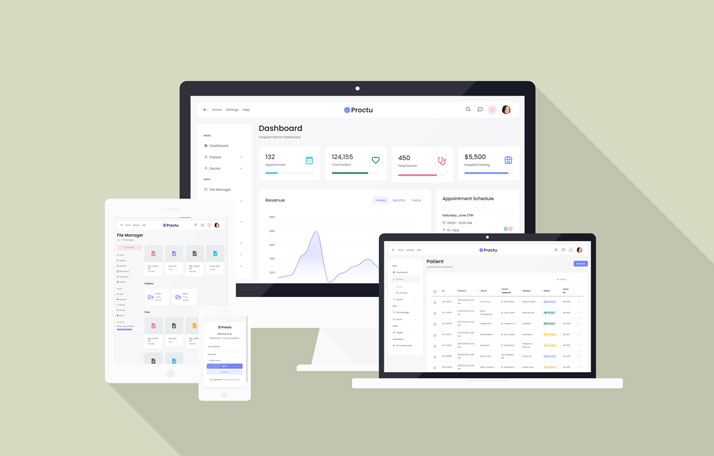
See every module before you buy
Each screenshot opens the full Proctu – Hospital & Medical Angular Admin Template live preview, where you can browse the live preview and documentation.


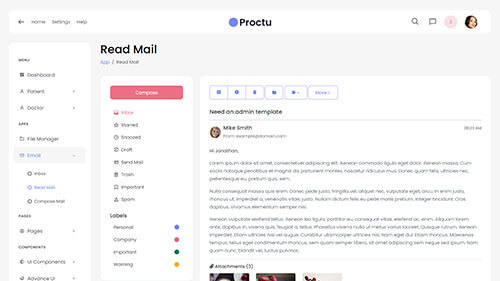

Overview
About Proctu
Proctu started as a request from several of our clinic clients. They needed an Angular admin dashboard that actually looked like it belonged to a medical practice, not a sales CRM with a red cross on the logo. Their only options were a generic admin panel that took months to customize or a static HTML medical theme that still had to be rebuilt in Angular before any real development could start.
Proctu – Medical Angular Admin Dashboard Panel Template is our answer to that request. It's a Medical Angular Admin Template built with Angular 22, Bootstrap 5.3, and TypeScript, with 40+ pages and 25+ components covering the daily operations of a medical practice: patients, doctors, appointments, files, messages, and reports. Each screen is a separate Angular component, so it fits into an existing Angular workspace without any conversion.
It's a good fit for clinics, hospitals, nursing homes, physiotherapy centres and small doctor setups that need a clean back office. It also fits the developers and agencies building these systems for them.
Built From Real Clinic Requirements
Proctu was shaped by what clinic admins asked for, not by a designer's idea of a medical app. That's why most of the effort went into the three areas staff use all day: the dashboard, patient management, and doctor management.
The dashboard went through several redesigns. The goal was simple: show today's appointments and the current state of patients and doctors at a glance, without burying admins in charts they never read. Each redesign removed graphs rather than adding them.
Patient and doctor pages took the longest. Receptionists, nurses, and practice managers each need different details, so the key information sits up front, while secondary cards stay collapsed until someone needs them.
Today, Proctu is in use at general clinics and physiotherapy centers. Both run on appointments and returning patients, and the layout reflects that.
What's Inside Proctu
Proctu doesn't have pages with color variations of the same page. This is what the 40+ pages and 25+ components actually contain.
Medical Dashboard and Widgets
The main dashboard puts together patient counts, appointment trends, and practice activity on one screen in the form of widgets. Each widget is its own component, so you can remove what a small clinic doesn't need, or add more blocks for a larger hospital without affecting the rest of the layout.
Patient Management
Patient listing, profile, and add/edit screens are intended for daily front-desk use. Contact details, patient information, and visit-related data each have their own section instead of being in one long form. For most buyers, this is the module that saves the most time.
Doctor Management
Doctor listings and profile pages cover the staff side of the practice. A single-doctor setup will use a small part of it. A multi-specialty clinic or hospital gets a full directory structure that would otherwise take days to design and build.
Appointments and Calendar
Appointments are the heartbeat of any clinic, and that's especially true for physiotherapy centres, where the same patient may come in ten times over a treatment plan. Proctu includes appointment screens and a calendar UI, so the booking side of the product has a clear starting point rather than being rushed in at the end of the project.
Chat and Email UI
Clinics coordinate constantly between the front desk, doctors and staff. The chat and email interfaces are ready to tie into whatever messaging service you choose, so internal communication looks consistent with the rest of the panel.
File Manager
Medical practices run on documents: lab reports, prescriptions, scans and referral letters. The file manager UI gives those documents a proper home inside the dashboard, so you don't have to add a third-party widget that clashes with the design.
Forms With Validation
Healthcare forms are long, and a mistake in a phone number or date of birth causes real problems later. Proctu's forms come with validation built in using Angular Reactive Forms, so errors are caught while the user types rather than after they submit.
Charts and Reporting
Chart.js, ApexCharts, and Echarts are all included, which covers most of what a clinic owner or hospital administrator asks for: monthly patient trends, appointment volume, department comparisons, and simple revenue views.
Datatables
Patient lists, doctor directories, and appointment histories grow quickly. The datatables handle sorting, searching, and pagination so that long lists stay usable as a practice grows.
Authentication Pages and Miscellaneous UI
Login, signup, and forgot-password screens are included, as are the everyday UI elements an admin panel needs: modals, alerts, cards, buttons, tabs and more. None of these are exciting, but all of them are needed, and having them ready removes a surprising amount of busywork.
The Tech Stack Behind Proctu
Proctu is built in TypeScript on Angular 22, with Bootstrap 5.3 for the layout and styling. This stack is deliberately chosen, as Angular's structured approach of modules, services, dependency injection, and strict typing is well suited to admin systems that stay in use for years and get worked on by different developers over time. That describes most healthcare software.
Bootstrap 5.3 keeps the UI familiar. Most frontend developers already know its grid and utility classes, so a new team member can change a layout on day one without learning a new styling system first. For an Angular Admin Dashboard that a clinic may keep for five years or more, that familiarity matters more than chasing whichever CSS trend is popular this year.
All data in Proctu is static. Patients, doctors, appointments, and chart values come from placeholder data inside the project. That keeps the template easy to run and explore right after download. When you're ready, you replace the static data with your own Angular services and API calls, and the components stay exactly as they are.
Not working in Angular? Proctu is also available as a React admin template for React teams, and as a Bootstrap admin dashboard for projects that don't use a JavaScript framework. Both have the same clinic-focused design, so you can pick the stack your team already knows.
Who Proctu Is For
Clinics and Physiotherapy Centres
This is where Proctu is already used. Clinics and physio centres share the same core needs: a patient list, an appointment calendar, a few doctors or therapists, and reports for the owner. Proctu covers all of that out of the box.
Hospitals and Nursing Homes
Larger setups need more departments, more staff and more records, and the doctor management, datatables, and dashboard widgets scale to that. For a hospital, Proctu works well as the base of a Hospital Angular Dashboard that your team extends with modules specific to your institution.
Small Doctor Setups
A single doctor with one receptionist doesn't need a heavy hospital management system. Remove the modules you don't need, keep patients, appointments, and the calendar, and you have a lean, professional panel.
Developers, Freelancers, and Agencies
If you build software for healthcare clients, Proctu saves you from redesigning the same patient and appointment screens for every project, which means faster delivery and better margins.
What Proctu Does Not Contain
Proctu is a frontend Angular Admin Template, and it's better to be clear about what that means before you buy.
There's no backend and no database. All data is static, so connecting Proctu to your own API is part of your development work. Authentication is UI only: the login and signup pages are designed and validated, but real authentication, sessions, and role-based access need to be implemented on your side. Proctu is also not HIPAA-compliant on its own. Compliance depends on how your backend stores, secures, and audits patient data, and no frontend template can guarantee it.
What Proctu does give you is the part that usually eats the first month of a healthcare project: a complete, consistent, and well-structured interface that your team can build real functionality on top of.
Why Start From a Template at All?
Designing and building 40+ admin pages from scratch in Angular takes weeks, and for most healthcare projects those screens aren't what makes the product different. The difference comes from your workflows, your integrations, and your data handling. Starting from Proctu moves that time to the work that actually sets your product apart. If you're comparing options, browse the full range of Angular templates or the wider admin dashboard templates collection.
Get Proctu
Proctu won't replace your backend, and it doesn't claim to. What it does is remove weeks of frontend work: the dashboard, patient and doctor screens, appointments, forms, and reports are already built, tested, and consistent. Your team can start on the parts that make your healthcare product different.
Open the live demo to see how the patient and appointment screens work in practice, then connect Proctu to your own API and start building.
Prefer bootstrap template? Check out the Proctu HTML Bootstrap Admin Dashboard Template. Want to try it before buying? Get the Proctu React Admin Dashboard Template.
Related templates
The modules, laid out like the product itself
All 7 highlights, grouped the way they appear in Proctu – Hospital & Medical Angular Admin Template's own sidebar.
Built on Bootstrap 5.3 and Angular 22
Patient and Hospital Dashboard Components
Doctor and Staff Management Panels
Appointment Scheduling Components
Clean, Clinical-Appropriate Design
Fully Responsive Design
Data Tables and Charts
What buyers are saying
Awesome support. Nice design, clean Code, easy-to-customize code, and good documentation. Most importantly, Template at a very reasonable price.
Before you get started
No. Proctu is a frontend-only template with static placeholder data. You connect it to your own API through Angular services.
Proctu is an Angular 22 admin dashboard template built for patient and hospital dashboards, doctor medical admin panels, and health Angular dashboards.
Yes, every screen is built as genuine Angular code sharing the same routing and module conventions as the rest of a modern application.
Yes, Proctu includes calendar and scheduling Angular components built for medical appointment booking patterns.
Yes, Proctu is fully responsive and tested across modern browsers and devices.
Yes, Proctu is also available as a Bootstrap Medical Admin Dashboard Template and a React Next.js Medical Admin Dashboard Template.
Proctu uses standalone components throughout, in line with modern Angular defaults.
Change log
- Upgraded to Bootstrap 5.3.8 and NG Bootstrap 21
- Angular 22
- Added NGRX Demo Page
- Bug Fixes
- UI Changes
Proctu – Hospital & Medical Angular Admin Template in other frameworks

Proctu – Hospital & Medical Bootstrap Admin Template
Proctu is a Bootstrap framework-based admin dashboard panel built for patient and hospital dashboards, doctor medical admin panels, and general healthcare HTML dashboard applications.
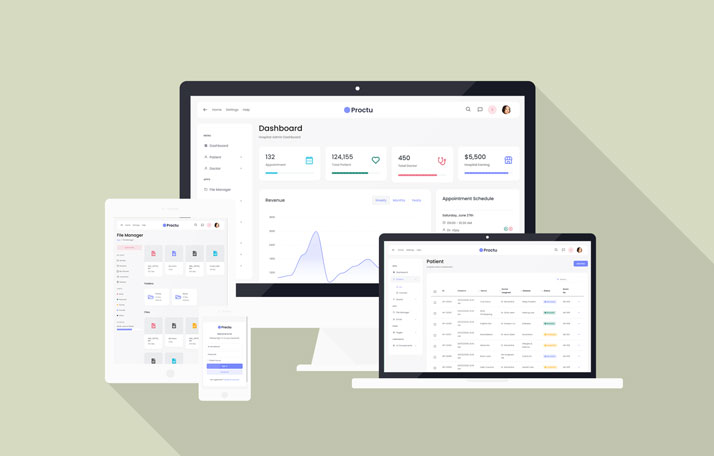
Proctu – Hospital & Medical React Next.js Admin Template
Proctu is a React Next.js framework-based admin dashboard built for patient and hospital dashboards, doctor medical admin panels, and general healthcare React dashboard applications.
Related templates

ORYO – Angular Templates for SaaS, Agencies & Startups
ORYO is a modern Angular 20 template collection built with TypeScript and SCSS, offering responsive landing pages and portfolio layouts for startups, SaaS teams, agencies, and freelancers.
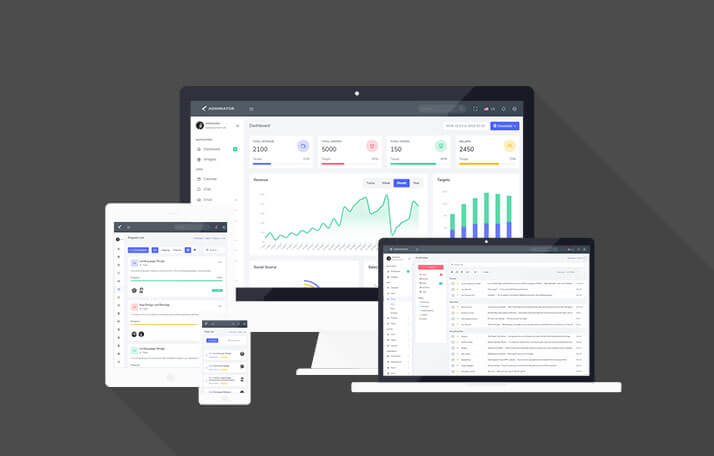
Adminox – Angular 22 Admin Dashboard with 70+ Components
Adminox is a modern Angular 22 admin dashboard starter with 40+ pages, 6 layouts, 3 chart libraries, JWT auth, and NgRx Signals, ready for SaaS, CRM, and analytics projects from day one.
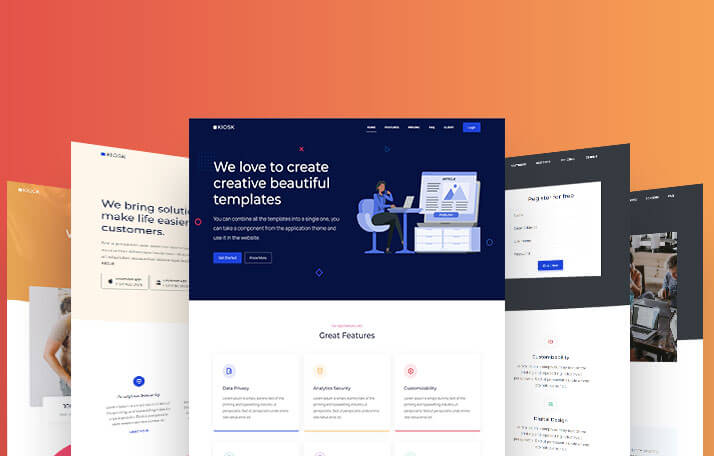
Kiosk – Angular Landing Page Template for SaaS & Agencies
Kiosk is a multipurpose Angular 20 template collection built with Bootstrap 5.3, SCSS, and TypeScript, offering 10+ page variants for startups, SaaS companies, agencies, and portfolios.
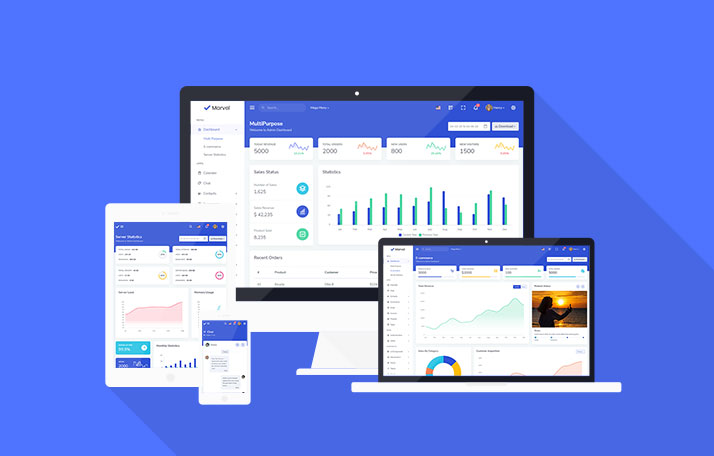
Marvel – Angular Admin Dashboard Template for SaaS & CRM
Marvel is an Angular 21 admin dashboard template with 120+ pages, 350+ components, and prebuilt Kanban, invoice, and eCommerce UI, built for SaaS, CRM, and analytics platforms alike.
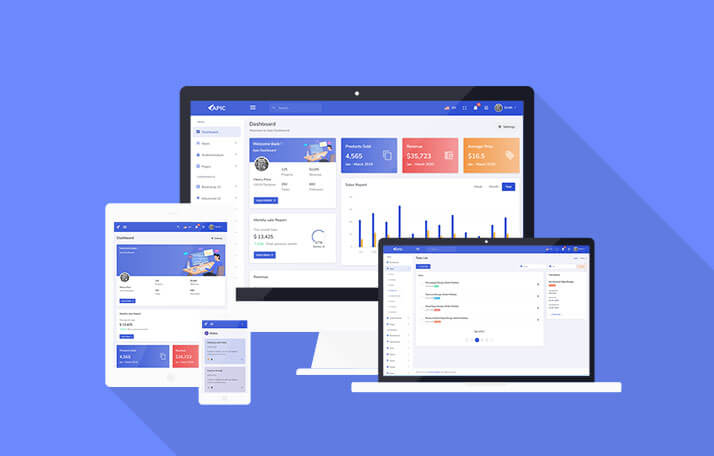
APIC – Angular 22 Admin Dashboard Template for SaaS & CRM
APIC is a multipurpose, creative, and modular Angular 22 admin dashboard template, ideal for sales and analytics dashboards, management panels, and SaaS-based admin interfaces overall.

PORTO – Angular 22 Website & App Landing Page Template
PORTO is an elegant, modern, multipurpose Angular 22 website template built for app landing pages, startups, portfolios, SaaS products, digital agencies, and single-page sites today.
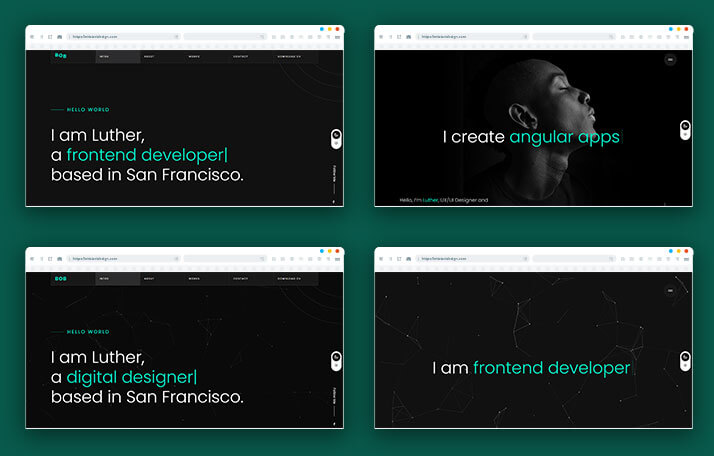
BOB – Angular Portfolio & Resume Website Template
BOB is a creative Angular portfolio and resume website template built for online resumes, simple portfolios, CV websites, and personal branding pages within the Angular ecosystem today.
Use code FIRST30 at checkout — valid across every Bootstrap, Angular, and React
template.